
Questions Answered.
Projects Made Easier.
Everything you need to feel informed and prepared–from choosing your stone to enjoying your finished countertops.
Frequently Asked Questions


01
Do you offer repair services? Yes, we do! We offer repair services for cracks, chips, and/or countertop trimming on any stone surface. Give us a call or send pictures of the repair and our team will be happy to assist you.
02
Do you replace sinks? Yes! Just send us measurements of your current sink & sink cabinet, and our team will do the rest.
03
Do you have a showroom I can visit? Yes! Our showroom is located at 8820 Gulf Ct Ste B, Raleigh, NC 27617. We have various quartz towers from local and well-known suppliers, a remnant yard, and in-stock slabs you can take a look at during your visit.
04
Do you have remnants for smaller projects? Yes, we do! We have a huge remnant inventory that has various stones such as granite, quartz, marble, quartzite, and others!
05
What's the price range? What's the price difference between quartz and granite? It all depends on the actual size of the project. Our in-stock quartz tends to have a slightly higher price than our in-stock granite. Ordered in material varies depending on the supplier's levels.
06
What cleaners can I use for my new countertops? We recommend using "Barkeepers Soft Cleanser" for any stone type. However, we don't recommend using it on a daily basis. A 1:1 ratio of isopropyl alcohol and water, or mild soap and water works as well. You can use any cleaner that is non-acidic and is ammonia-free.
07
What stones need sealer/maintenance? Only natural stones need regular sealing. It varies by stone: • Granite: Every 1-4 years • Marble: Every 3-6 months • Quartzite: Every 6-12 months • Soapstone: Every 1-4 years
08
What stones do you work with? We work with any and every stone!
09
What's your lead time on a project? Once receiving the initial deposit, it takes up to 5 business days to complete the project.
10
What other services do you offer? Apart from stone work, we also offer cabinet layout, design, and installation. We also offer tile services.
A Smoother Countertop Experience

01
Before Choosing Your Countertops
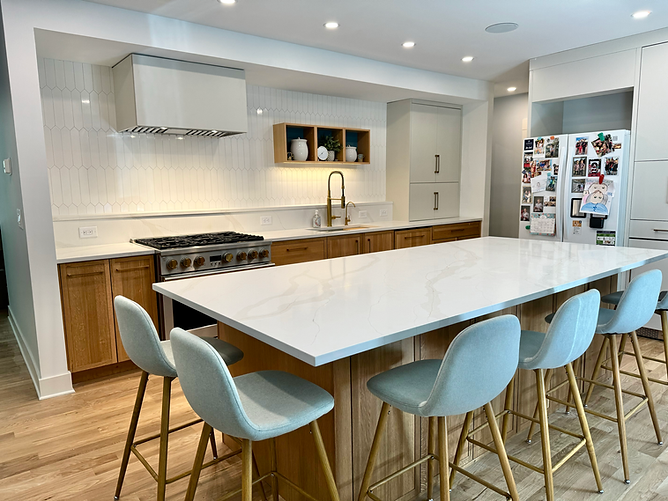
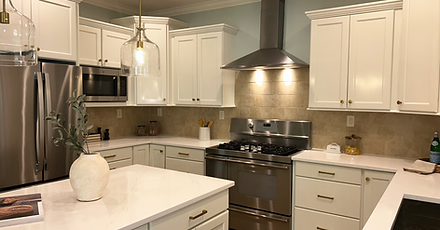
Choosing The Right Stone: The right countertop depends on the appearance you love and the maintenance that fits your lifestyle. Natural stones like granite or quartzite offer unique colors and movement, while quartz provides a more consistent appearance with less maintenance. Viewing the materials in person can help you find the one that feels right for your home. Recommended Materials for Busy Kitchens and Families: Granite and quartzite are durable natural stone options, while quartz and Dekton offer lower maintenance alternatives. The best choice depends on which qualities matter most to your household, including heat resistance, stain resistance, and upkeep. Regardless of the material, use cutting boards and trivets and clean spills promptly. Lighting, Cabinet Colors, and Flooring: Your lighting, cabinets, and flooring can help guide your countertop selection. Bring samples, photos, or inspiration to our showroom, and we'll help you find a material that complements your space. If you haven't chosen those finishes yet, don't worry! Selecting your countertops first gives you more freedom with colors and patterns.
Planning & Measuring
02
Planning & Measuring
Planning & Measuring
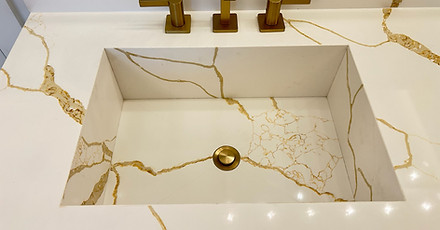
Choosing an Edge Style: Your edge profile can subtly change the overall appearance of your countertops. Visit our showroom to see and feel our available edge samples before making your selection. Simple and Clean: • Eased • Quarter Round • Half Bullnose A little more character • Quarter bevel • Half Bevel • Demi Bullnose (upgraded) • Full Bullnose (upgraded) Traditional and decorative • Ogee (upgraded) For a thicker, statement-making appearance • Mitered Edge • Double Laminate A waterfall is a separate design feature in which the countertop material continues vertically down the side of an island or cabinet. Visit our "Edge Profiles" page to learn more. Choosing an Island Overhang: An overhang of 8-10 inches may work in a tight space, while 10-12 inches is common for casual seating. For additional knee room, 12-14 inches may be more comfortable. Larger overhangs require brackets or another form of support based on the material and island design. Choosing a Full-Height Backsplash: A full-height stone backsplash creates an elevated look without the grout lines found in traditional tile. When the slab and layout allow, we carefully plan the pieces so the countertop and backsplash veining flow together naturally. Exact vein matching cannot always be guaranteed. Why Sinks and Cooktops Should be Selected Before Templating: Your sink, cooktop, faucet, and other countertop-mounted fixtures should always be selected before templating. The items, measurements, or manufacturer specifications must be available so we can plan the correct cutouts. For a full-height backsplash. the range hood and surrounding features should also be finalized or installed as required.
Choosing an Edge Style: Your edge profile can subtly change the overall appearance of your countertops. Visit our showroom to see and feel our available edge samples before making your selection. Simple and Clean: • Eased • Quarter Round • Half Bullnose A little more character • Quarter bevel • Half Bevel • Demi Bullnose (upgraded) • Full Bullnose (upgraded) Traditional and decorative • Ogee (upgraded) For a thicker, statement-making appearance • Mitered Edge • Double Laminate A waterfall is a separate design feature in which the countertop material continues vertically down the side of an island or cabinet. Visit our "Edge Profiles" page to learn more. Choosing an Island Overhang: An overhang of 8-10 inches may work in a tight space, while 10-12 inches is common for casual seating. For additional knee room, 12-14 inches may be more comfortable. Larger overhangs require brackets or another for of support based on the material and island design. Choosing a Full-Height Backsplash: A full-height stone backsplash creates and elevated look without the grout lines found in traditional tile. When the slab and layout allow, we carefully plan the pieces so the countertop and backsplash veining flow together naturally. Exact vein matching cannot always be guaranteed. Why Sinks and Cooktops Should be Selected Before Templating: Your sink, cooktop, faucet, and other countertop-mounted fixtures should always be selected before templating. The items, measurements, or manufacturer specifications must be available so we can plan the correct cutouts. For a full-height backsplash. the range hood and surrounding features should also be finalized or installed as required.
03
Preparing for Installation
Preparing the Workspace: Before installation, clear the existing countertops and remove items from nearby drawers and cabinets that you want to protect from dust. Make sure the walkway between the entrance and work area is clear. Children and pets should remain safely away while our team carries and installs the stone. Dust, Noise, and Minor Touch-Ups: Some dust, vibration, and noise are normal during countertop installation. Minor wall or paint touch-ups may also be necessary, especially after removing an existing countertop or backsplash. Unless included in your agreement, drywall and paint repairs are typically completed by the homeowner or another professional.
04
After Installation
Giving Your Countertops Time to Set: Before putting your new countertops to use, follow our installation team's instructions for curing times. Adhesives, silicone, and sealers may need different amounts of time to set. Wait to reconnect plumbing or use the sink until our team advices it's ready. Everyday Cleaning: Keep daily cleaning simple with a soft cloth and a cleaner approved for your countertop material. Avoid abrasive scrubbers and harsh cleaners that could damage the surface or finish. Our Care Guide has material-specific cleaning instructions. Handling Spills: Clean spills promptly, especially oils, wine, coffee, and acidic liquids like lemon juice. Sealing can help reduce staining on some natural stones, but it doesn't make them stain-proof or prevent acid etching. Blot spills instead of spreading them across the surface. Protecting Your Countertops: We recommend using cutting boards and trivets to help protect your countertops from scratches and heat damage. Avoid sitting or standing on the surface, especially near overhangs and sink cutouts. Take extra care with heavy cookware around edges to help prevent chips. Knowing When to Reseal: Some natural stones require sealing, while quartz and Dekton generally do not. Resealing needs depend on your stone, the sealer used, and everyday use. Follow our Care Guide or contact our team for guidance specific to your countertops. Addressing Concerns Early: If you notice a chip, crack, persistent stain, or a change around a seam, contact our team before attempting a repair. Send a clear photo and a brief description so we can help determine the next step. Addressing concerns early can help prevent further damage.
